
 By Shah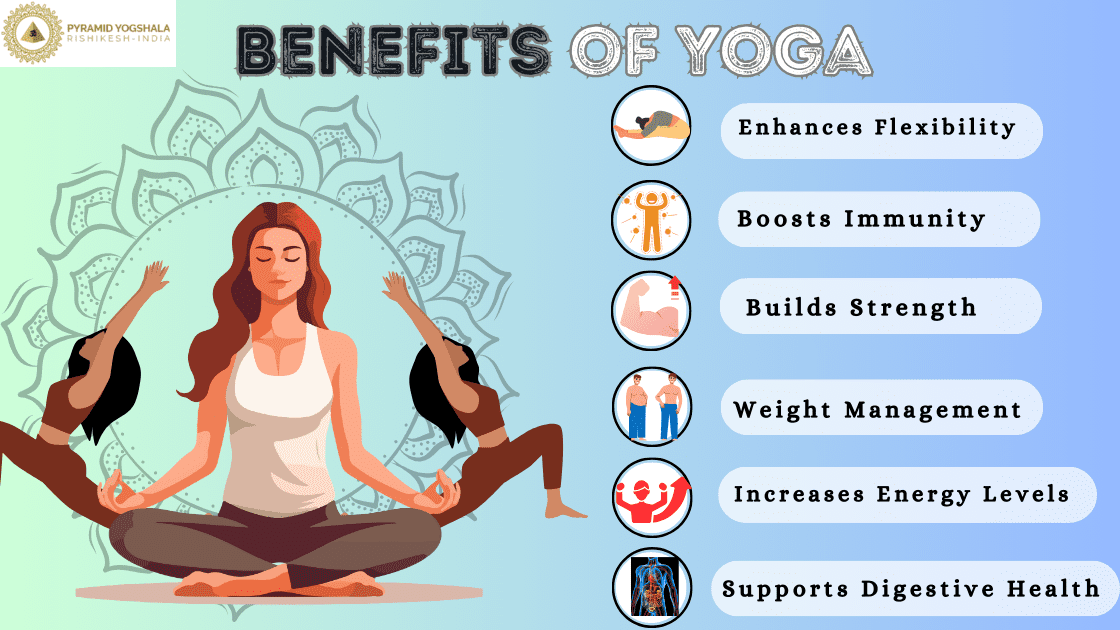
Maintaining inner balance has become increasingly important in a fast-paced environment. Many individuals seek practices that go beyond physical fitness and help create mental clarity and deeper awareness. Kundalini yoga is one such approach that focuses on awakening inner energy through structured techniques.
This practice combines breathing, movement, and focused attention to create a balanced connection between mind and body. It is often chosen by individuals who want to improve both emotional stability and personal awareness over time.
What is Kundalini Yoga
Kundalini yoga is a practice that focuses on activating energy believed to reside at the base of the spine. The goal is to guide this energy upward through controlled techniques.
Core Components
- Breath control techniques
- Repetitive physical movements
- Focused attention
- Sound or mantra-based practices
These elements work together to create a structured and balanced routine.
How It Differs from Other Yoga Practices
Unlike general yoga routines that focus primarily on physical movement, this practice includes a strong emphasis on internal awareness.
Key Differences
- Focus on energy flow
- Combination of breath and repetition
- Structured sequences
- Emphasis on awareness rather than intensity
This makes it suitable for those looking for a deeper mental and emotional experience.
Understanding Energy and Awareness
The concept behind this practice involves increasing awareness of internal energy patterns.
Benefits of Awareness
- Improved focus
- Better emotional control
- Enhanced clarity
- Reduced mental distractions
Over time, this awareness helps create a stable mental state.
Integrating Practice into Daily Routine
Consistency plays a key role in experiencing the benefits of any structured practice.
In the middle of your routine, practicing Kundalini Yoga helps build a steady rhythm that supports both mental clarity and emotional balance. Regular sessions allow gradual improvement without overwhelming the body or mind.
Basic Techniques to Get Started
Breath Control
Slow and rhythmic breathing helps regulate energy flow and improves focus.
Repetitive Movements
Simple, repeated movements help build concentration and awareness.
Focused Attention
Maintaining attention on a single point or thought improves mental clarity.
Sound-Based Practice
Using simple sounds or chants can help stabilize the mind during sessions.
Creating a Beginner-Friendly Routine
Start with Short Sessions
Begin with 10–15 minutes and increase gradually.
Choose a Quiet Space
A calm environment supports better focus.
Maintain Consistency
Practice daily or at least a few times a week.
Avoid Distractions
Keep your surroundings simple and comfortable.
Expected Changes Over Time
Mental Benefits
- Improved concentration
- Reduced stress
- Better emotional balance
Physical Benefits
- Improved posture
- Increased energy levels
- Better breathing patterns
These changes develop gradually with regular practice.
Role of Discipline in Practice
Consistency and discipline are essential to achieve meaningful results.
Why Discipline Matters
- Builds routine
- Improves focus
- Enhances results over time
- Supports long-term stability
Small, consistent efforts lead to noticeable improvements.
Final Phase of Practice
Ending your session properly helps maintain the calmness achieved during practice.
Before concluding your session, take a few moments to sit quietly and observe your breathing. This helps deepen the sense of Spiritual awareness and allows your mind to remain balanced beyond the session.
Conclusion
Kundalini yoga offers a structured approach to achieving inner balance and awareness. By combining breath, movement, and focused attention, it supports both mental clarity and emotional stability. With regular practice and consistency, it can become an effective method for maintaining long-term well-being.
FAQs
Is Kundalini yoga suitable for beginners?
Yes, beginners can start with simple techniques and short sessions.
How long should I practice daily?
Starting with 10–15 minutes is sufficient for beginners.
Does Kundalini yoga require physical strength?
No, it focuses more on awareness and controlled movement than intensity.
Can it improve mental focus?
Yes, regular practice helps improve concentration and clarity.
How often should I practice?
Practicing 3–5 times a week can provide consistent benefits.
