
 By Joseph Ramos
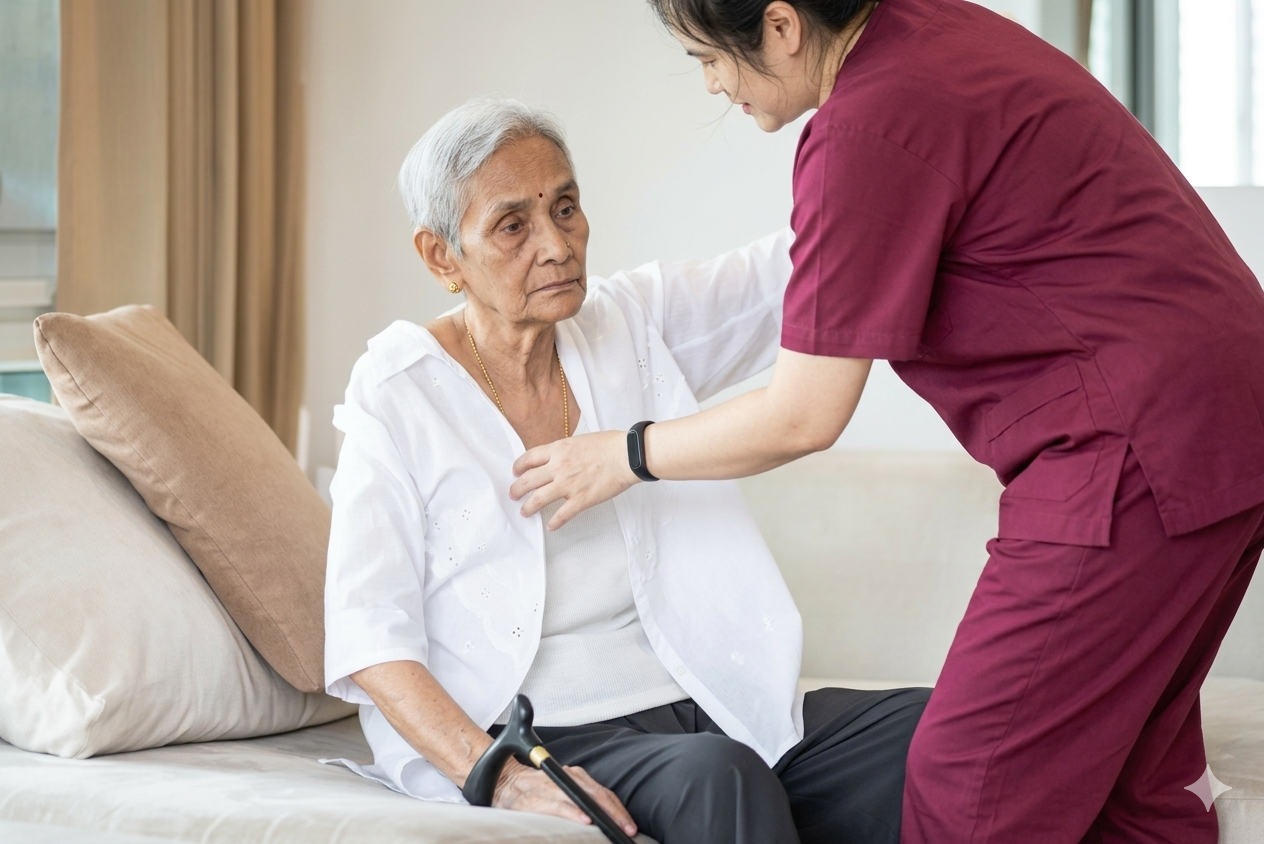
When a loved one returns home after major surgery, most families feel relieved.
The surgery is over. The hospital discharge is complete. Doctors have said the patient is stable.
For many Indian families, bringing the patient home feels emotionally comforting and culturally natural. Families believe recovery will happen best in familiar surroundings, surrounded by loved ones.
But what many people do not realise is that post-surgical recovery at home can quickly become physically, emotionally, and mentally exhausting — especially when the patient requires continuous assistance, rehabilitation, mobility support, or medical supervision.
In India, this hidden burden on families is growing rapidly because hospital stays are becoming shorter while surgeries are becoming more advanced and recovery needs more complex.
Patients recovering after cardiac surgery, stroke, paralysis treatment, orthopaedic surgery, cancer procedures, spinal surgery, or prolonged ICU stays often continue requiring significant care even after discharge.
And in most cases, family members suddenly become full-time caregivers overnight.
Recovery at Home Is Often More Demanding Than Families Expect
Most families prepare emotionally for surgery itself.
Very few prepare for what comes after.
The reality is that recovery after surgery often involves:
- Managing medications
- Assisting with mobility
- Monitoring for complications
- Supporting physiotherapy routines
- Helping with toileting and bathing
- Managing pain episodes
- Handling sleep disturbances
- Responding to night-time emergencies
For elderly patients, the level of dependency can increase dramatically during the first few weeks after surgery.
This becomes even more challenging when caregivers themselves are:
- Working professionals
- Elderly spouses
- Living in nuclear families
- Managing children and household responsibilities simultaneously
Over time, recovery at home can begin affecting not just the patient’s health — but the emotional and physical well-being of the entire family.
Caregiver Fatigue Builds Slowly but Intensely
One of the biggest hidden challenges during post operative recovery is caregiver burnout.
Most family caregivers begin with emotional commitment and optimism. However, continuous caregiving responsibilities can quickly become exhausting.
Simple tasks such as helping the patient sit up, move to the washroom, reposition during sleep, or walk safely may need to be repeated several times a day.
Night-time caregiving becomes especially difficult because many patients:
- Require assistance using the washroom
- Experience pain episodes
- Have disturbed sleep
- Need oxygen monitoring
- Feel anxious or disoriented
- Require medication at odd hours
As sleep deprivation increases, caregivers themselves begin experiencing fatigue, anxiety, irritability, and emotional stress.
Unfortunately, caregiver exhaustion often goes unnoticed because the entire focus remains on the patient.
Lifting and Mobility Support Become Physically Exhausting
Many families underestimate the physical effort required to assist a recovering patient safely.
Patients recovering after:
- Knee replacement
- Hip replacement
- Stroke
- Paralysis treatment
- Spine surgery
- ICU stays
often require extensive mobility support during the early recovery phase.
Helping someone stand, shift from bed to wheelchair, use the washroom, or walk safely requires proper techniques and physical strength.
Improper lifting or transfers can result in:
- Falls
- Back injuries to caregivers
- Patient injuries
- Increased pain
- Reduced confidence in movement
This becomes especially difficult when elderly spouses are trying to care for one another without external support.
Professional post operative rehabilitation environments are designed specifically to manage assisted mobility safely through trained staff, supervised physiotherapy, and recovery-focused infrastructure.
Medication Errors Are More Common Than Families Realize
After surgery, patients are often discharged with multiple medicines that may include:
- Painkillers
- Blood thinners
- Antibiotics
- Cardiac medicines
- Diabetic medicines
- Respiratory support medications
Managing these medications correctly can become confusing very quickly.
Families may accidentally:
- Miss doses
- Give medicines at incorrect times
- Repeat medications
- Mismanage insulin or injections
- Overlook side effects
Medication errors can seriously affect recovery outcomes, especially among elderly patients with multiple health conditions.
Professional post-operative care environments reduce this risk through supervised medication administration and continuous monitoring.
Night-Time Emergencies Create Constant Anxiety
One of the least discussed aspects of home recovery is the fear families experience at night.
Many caregivers remain constantly alert because they worry about:
- Sudden breathing difficulty
- Falls while going to the washroom
- Pain crises
- Oxygen fluctuations
- Bleeding
- Confusion or delirium
- Cardiac symptoms
This fear often prevents caregivers from sleeping properly for weeks.
For patients recovering after cardiac surgery, respiratory illness, neurological procedures, or prolonged ICU stays, this anxiety can become overwhelming.
Structured recovery-focused care environments help reduce this burden through 24×7 supervision, emergency response readiness, and continuous monitoring support.
Emotional Stress Affects the Entire Household
Post operative recovery affects not just the patient, but the emotional environment of the entire home.
Caregivers often struggle with:
- Fear of making mistakes
- Guilt about not doing enough
- Financial stress
- Physical exhaustion
- Work-life imbalance
- Emotional burnout
Children and other family members may also experience anxiety when they see a loved one physically dependent or emotionally distressed after surgery.
In many Indian households, family caregivers hesitate to ask for help because caregiving is often seen as a personal responsibility.
However, prolonged stress can eventually affect both caregiver health and the quality of patient recovery.
Rehabilitation Consistency Becomes Difficult at Home
One of the biggest challenges during home recovery is maintaining rehabilitation consistency.
Patients recovering after major surgery often require:
- Daily physiotherapy
- Walking support
- Balance training
- Breathing exercises
- Pulmonary rehabilitation
- Cardiac rehabilitation
Initially, families try to maintain rehabilitation routines seriously. But over time, fatigue, scheduling issues, pain, fear, or emotional exhaustion often reduce consistency.
This can slow recovery significantly.
Without regular rehabilitation:
- Muscle weakness increases
- Joint stiffness worsens
- Balance declines
- Mobility recovery slows
- Fall risk increases
Professional rehabilitation environments help maintain structured recovery routines through supervised therapy sessions and continuous monitoring.
Respiratory Recovery Is Difficult to Manage at Home
Patients recovering after cardiac surgery, ICU stays, severe infections, or lung-related conditions may continue requiring respiratory support after discharge.
Some patients need:
- Oxygen support
- BiPAP assistance
- Chest physiotherapy
- Breathing exercises
- Pulmonary rehabilitation
Managing respiratory recovery at home can become stressful for families, especially during night-time breathing episodes or oxygen fluctuations.
Professional recovery environments provide trained respiratory support and continuous observation that help reduce complications during recovery.
Elderly Patients Need More Structured Recovery Support
Recovery becomes even more complicated when the patient is elderly.
Older adults generally experience:
- Slower healing
- Reduced balance
- Muscle weakness
- Confusion or delirium
- Increased fall risk
- Higher dependency levels
Even simple activities such as standing, eating, or using the washroom may require supervision after surgery.
Families often struggle to manage elderly recovery safely at home over extended periods.
This is one reason organised post operative rehabilitation ecosystems are becoming increasingly important in India.
Why Organised Recovery Care Is Growing in India
India is witnessing a rapid increase in surgeries, elderly care needs, ICU survivorship, and chronic disease-related recovery requirements.
At the same time:
- Hospital stays are becoming shorter
- Nuclear families are increasing
- Working professionals have limited caregiving time
- Elderly spouses are often primary caregivers
This has increased the importance of organised post operative care environments that bridge the gap between hospital and home.
Structured recovery-focused care homes provide:
- 24×7 supervision
- Daily rehabilitation
- Assisted mobility support
- Respiratory care
- Medication management
- Nutritional planning
- Emergency response systems
Compared to fragmented home recovery arrangements or smaller standalone setups, organised rehabilitation ecosystems are often better equipped to manage medically complex recovery journeys safely.
In cities across India, established providers such as Antara Care Homes are helping families navigate recovery more safely through NABH-accredited care homes focused on post operative rehabilitation, cardiac rehabilitation, pulmonary rehabilitation, paralysis recovery support, and assisted care services.
Professional Recovery Support Also Helps Families Recover
One important reality many people overlook is this:
Recovery is not only difficult for the patient — it is exhausting for families too.
Professional post operative rehabilitation does not replace family involvement. Instead, it supports families by reducing physical strain, emotional stress, and continuous caregiving pressure.
This allows family members to focus on emotional connection and reassurance instead of becoming overwhelmed by clinical responsibilities.
In many cases, structured recovery support helps improve not only patient outcomes but also the emotional well-being of the entire household.
Recovery Is Safer When Families Are Supported Too
Major surgery changes daily life temporarily for both patients and caregivers.
Without proper support, the hidden burden of recovery at home can become emotionally and physically overwhelming.
Structured post operative care helps patients recover through rehabilitation, monitoring, respiratory support, and mobility assistance while also helping families manage the recovery journey more safely and confidently.
As India’s healthcare ecosystem evolves, organised recovery-focused care environments are becoming an increasingly important part of post-surgical healing — not just for patients, but for the families caring for them too.
FAQs
1. Why is post operative recovery stressful for families?
Families often manage medications, mobility assistance, rehabilitation routines, night-time monitoring, and emergency situations after discharge, which can become physically and emotionally exhausting.
2. What challenges do caregivers face after surgery?
Common challenges include sleep deprivation, lifting and mobility support, medication management, emotional stress, and balancing caregiving with work and family responsibilities.
3. Why is supervised rehabilitation important after surgery?
Supervised rehabilitation helps improve mobility, breathing function, balance, strength, and recovery consistency while reducing complication risks.
4. What is pulmonary rehabilitation after surgery?
Pulmonary rehabilitation includes breathing exercises, oxygen support, chest physiotherapy, and respiratory therapies designed to improve lung recovery after surgery.
5. How can organised recovery care help families?
Structured post operative care environments provide continuous monitoring, rehabilitation support, medication management, and emergency supervision, helping reduce caregiver burden and recovery-related stress.
 Shah